
Fact or fiction is a phrase people encounter everywhere. You see it in books, movies, news articles, documentaries, classroom discussions, and everyday conversations. Yet many people stop and wonder what it actually means. Is it simply a comparison between truth and imagination? Is it a grammar phrase? Or does it carry a deeper meaning depending on the context?
The confusion usually comes from the way the phrase is used. Sometimes it appears as a game that asks people to identify true statements. Other times it describes books, films, historical claims, conspiracy theories, or stories that mix reality with imagination. Because the phrase appears in so many settings, people often search for its exact meaning, pronunciation, usage, and grammatical function.
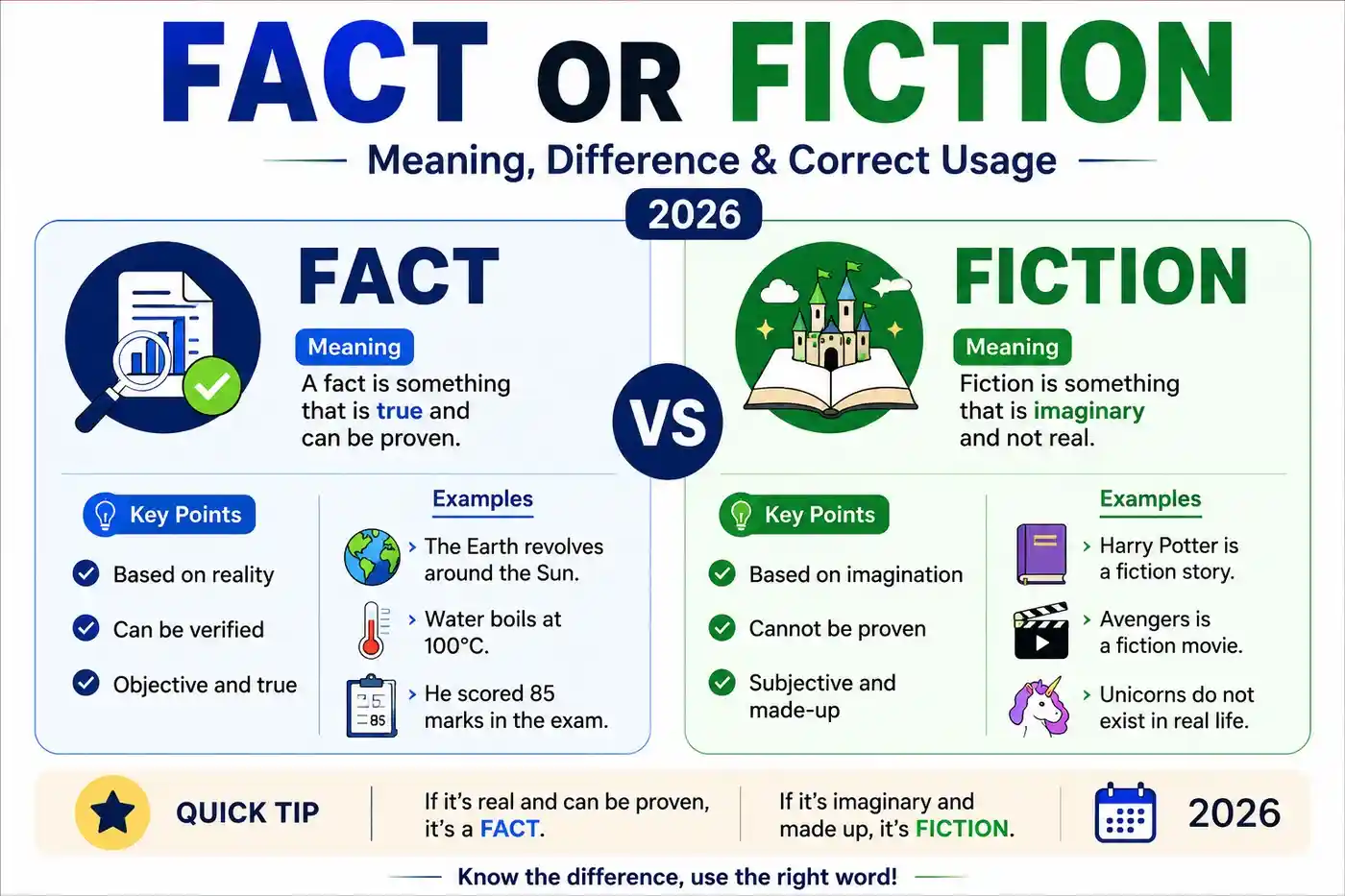
The short answer is simple. Fact refers to something that can be proven true. Fiction refers to something imagined or invented. When people say these words, they are asking if something is true or made up. In this guide, you’ll learn the meaning of these terms, how the phrase developed, how native speakers use it, common mistakes to avoid, pronunciation tips, grammar rules, real world examples, and expert language insights that clarify the phrase once and for all.
Many readers also check Deep Seated Vs Deep Seeded Which One Is Correct (2026).
Fact or fiction Quick Definition
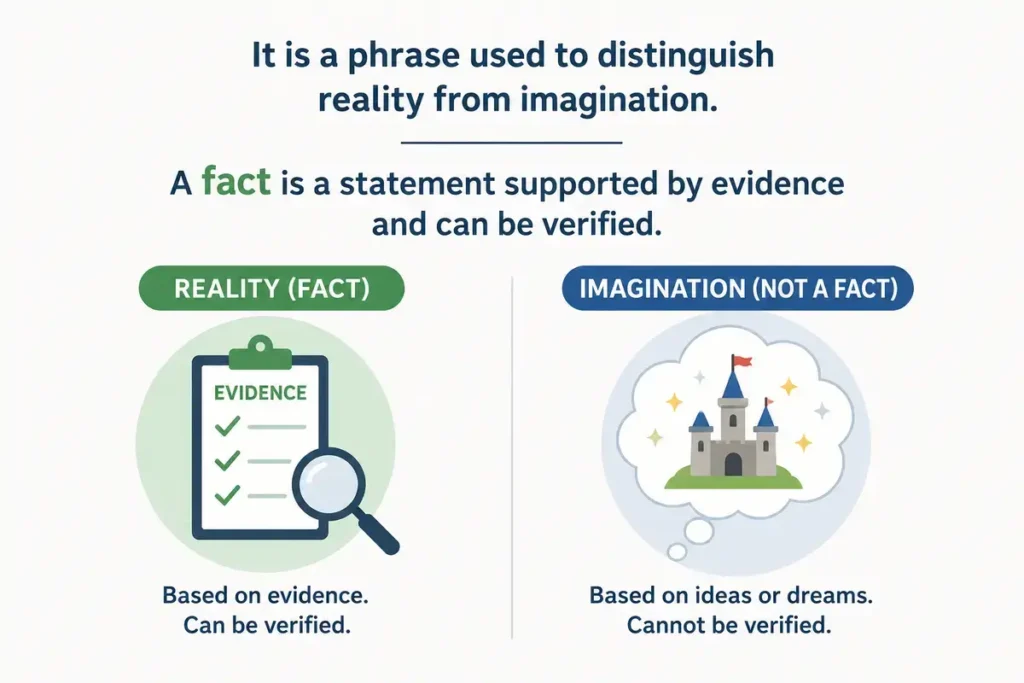
It is a phrase used to distinguish reality from imagination. A fact is a statement supported by evidence and can be verified. Fiction is created from imagination and is not intended to be presented as proven reality. The phrase often asks people to determine if a claim, story, or statement is true or invented.
Fact Or Fiction Quick Answer
It means true or made up. The phrase is commonly used when evaluating information, stories, claims, rumors, historical accounts, media content, and popular beliefs. Fact represents reality supported by evidence. Fiction represents imagination, storytelling, or invented content.
Fact Or Fiction Comparison Table
| Feature | Fact | Fiction |
|---|---|---|
| Meaning | Something proven true | Something imagined or invented |
| Part of Speech | Noun | Noun |
| Origin | Latin roots related to something done or made | Latin roots related to shaping or creating |
| Usage Frequency | Extremely common | Extremely common |
| Formality Level | Used in both formal and informal contexts | Used in both formal and informal contexts |
| Common Contexts | Science, journalism, education, law | Literature, movies, storytelling |
| Verification | Can be checked with evidence | Not required to be true |
| Purpose | Inform and explain | Entertain, inspire, or explore ideas |
| Example | Water freezes at 32°F | A dragon guarded the castle |
| Relationship | Reality | Imagination |
Meaning Of Fact In Fact Or Fiction
Fact is a noun that refers to something that exists in reality and can be verified through evidence, observation, records, or reliable sources.A fact remains true regardless of personal opinions. People may disagree about interpretations, but a genuine fact can be supported with proof.
Definition Of Fact
A fact is a statement or piece of information that can be demonstrated as true.
Etymology Of Fact
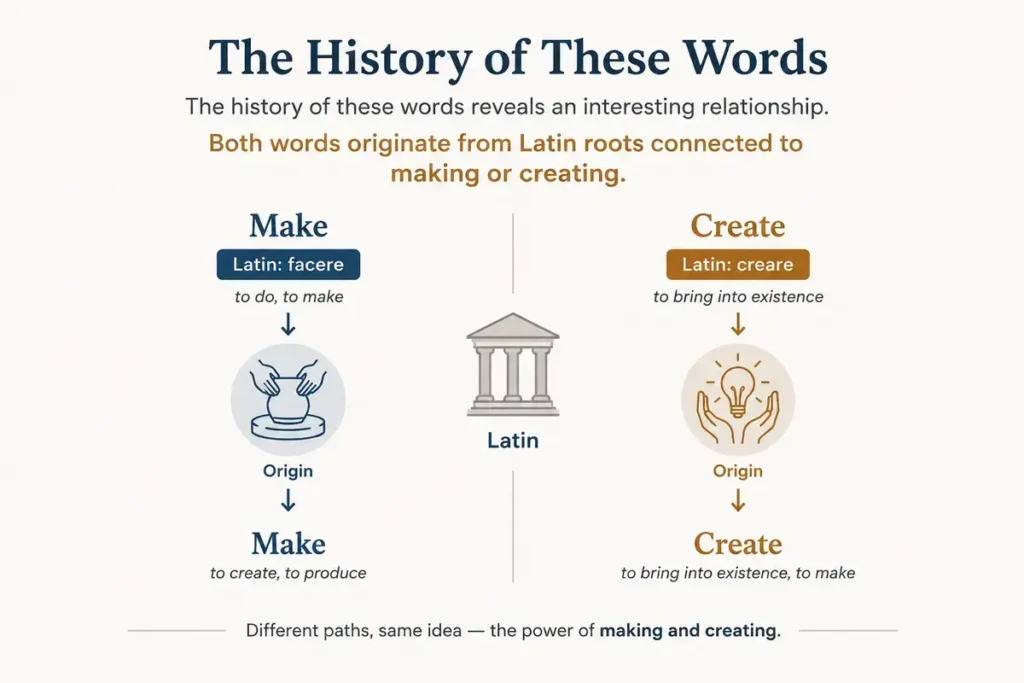
The word fact comes from the Latin word factum, meaning something done or something that has occurred. Over time, English speakers began using the term to describe events, truths, and verified information.
Common Contexts For Fact
- Scientific research.
- News reporting.
- Historical records.
- Legal proceedings.
- Academic writing.
- Educational materials.
Examples Of Fact
- The Earth revolves around the Sun.
- Water boils at 100°C at sea level.
- Alaska is the largest U.S. state by area.
- Humans require oxygen to survive.
- The Pacific Ocean is larger than the Atlantic Ocean.
Meaning Of Fiction In Fact Or Fiction
Fiction is a noun that refers to stories, characters, or events created through imagination rather than proven reality.That does not mean fiction has no value. In fact, some of the world’s greatest literature is fictional. Fiction allows writers to explore emotions, ideas, cultures, and possibilities that go beyond documented events.
Definition Of Fiction
Fiction is imaginative writing or storytelling that is not presented as verified reality.
Etymology Of Fiction
The word fiction comes from the Latin word fictio, meaning a shaping, forming, or invention. The term eventually became associated with creative storytelling.
Common Contexts For Fiction
- Novels.
- Short stories.
- Movies.
- Television dramas.
- Fantasy literature.
- Science fiction.
Examples Of Fiction
- A wizard attends a magical school.
- Dragons rule an ancient kingdom.
- A time traveler changes history.
- Aliens build a city on Mars.
- A detective solves crimes using telepathy.
Key Differences In Fact Or Fiction
Understanding the distinction between these terms becomes easier when you compare them side by side.
Meaning Difference
- Fact is true and verifiable.
- Fiction is imagined and created.
Tone Difference
- Facts often aim to inform.
- Fiction often aims to entertain or inspire.
Grammar Difference
- Both are nouns.
- Both can function as singular or collective concepts.
Context Difference
- Facts appear in journalism, science, and education.
- Fiction appears in literature, films, and creative media.
Evidence Difference
- Facts require proof.
- Fiction does not require proof.
Reader Expectation Difference
- Readers expect accuracy from facts.
- Readers expect creativity from fiction.
Which One Is Correct
Neither fact nor fiction is more correct than the other because they serve different purposes.If you’re discussing verified information, fact is correct.If you’re discussing an invented story or imaginative narrative, fiction is correct.If you’re asking someone to determine which category a claim belongs to, this phrase is the correct expression.
For example:
- Is this historical account fact or fiction?
- The documentary separates these terms.
- The article examines myths and asks if they are fact or fiction.
Examples Of Fact In Sentences
- It is a fact that the moon influences ocean tides.
- Scientists presented the fact with supporting evidence.
- The report contains verified facts.
- She checked every fact before publishing the article.
- The teacher emphasized the importance of factual accuracy.
- The court relied on facts rather than opinions.
- His statement was based on fact.
- Historical facts help us understand the past.
- The journalist confirmed each fact independently.
- The research produced several important facts.
Examples Of Fiction In Sentences
- The novel is a work of fiction.
- Many children enjoy fiction because it sparks imagination.
- The story blends fiction with folklore.
- She writes historical fiction.
- The movie is entirely fiction.
- Fiction allows writers to explore impossible worlds.
- His favorite shelf in the library contains fiction.
- The book became a bestselling fiction title.
- Fiction often reflects real human experiences.
- The author specializes in science fiction.
Common Mistakes In Fact Or Fiction
Many writers and speakers misunderstand the phrase. Here are some common mistakes.
Treating Opinions As Facts
An opinion reflects personal belief.
A fact can be verified.
Incorrect:
- Chocolate ice cream is the best flavor. That’s a fact.
Correct:
- Chocolate ice cream is my favorite flavor.
Assuming Fiction Means False Information
Fiction is creative storytelling.False information may be an incorrect claim presented as true.The two concepts are not identical.
Confusing Fact With Truth Claims
Some claims sound factual but lack evidence.A statement becomes a fact only when supported by reliable proof.
Using Fact Or Fiction As A Single Noun
The phrase works best as a comparison between reality and imagination.
Correct:
- We discussed fact or fiction.
Less Natural:
- The fact or fiction was interesting.
Pronunciation Guide
Fact Pronunciation
IPA:
/fækt/
Syllable Breakdown:
Fact
Fiction Pronunciation
IPA:
/ˈfɪkʃən/
Syllable Breakdown:
Fic tion
Fact Or Fiction Pronunciation
IPA:
/fækt ɔr ˈfɪkʃən/
Common Pronunciation Mistakes
- Dropping the final T sound in fact.
- Pronouncing fiction as fik see on.
- Overstressing the word or.
Native speakers typically stress these words more than the connecting word or.
Etymology And Word Origin
The history of these words reveals an interesting relationship. Both words originate from Latin roots connected to making or creating. Fact evolved from factum, referring to something done or completed. Fiction evolved from fictio, referring to something shaped or invented.
Over centuries, English speakers gradually separated the meanings. Fact became associated with reality and evidence. Fiction became associated with imagination and storytelling.This distinction became especially important during the growth of journalism, science, publishing, and modern education.
You may also want to read Courtesy Vs Curtesy Which Word Should You Use in 2026.
Fact Or Fiction Regional Usage
Fact Or Fiction American English
Americans frequently use these terms in media, documentaries, podcasts, and educational content.
Example:
- Let’s find out if this claim is Myth or Reality.
Fact Or Fiction British English
British speakers use the phrase similarly, especially in journalism and broadcasting.
Example:
- The programme investigates Myth or Reality.
Fact Or Fiction In Australian English
Australian English uses these terms in much the same way as American and British English. You’ll often hear it in television programs, news discussions, podcasts, and educational settings.
Example:
- The article explores if the legend is Myth or Reality.
- The documentary examines several stories and separates fact from fiction.
Australians also use the phrase casually when discussing rumors, internet claims, and popular myths.
Fact Or Fiction In Canadian English
Canadian English follows the same pattern. The phrase appears in journalism, schools, publishing, and everyday conversation.
Example:
- Researchers investigated if the claim was fact or fiction.
- Readers debated if the story was fact or fiction.
Because Canadian English shares influences from both American and British English, usage remains nearly identical across all major contexts.
Fact Or Fiction Grammar Rules
Understanding the grammar behind these terms helps writers use the words correctly.
Parts Of Speech
Both terms function primarily as nouns.
Examples:
- The statement is a fact.
- The novel is fiction.
Countable And Uncountable Usage
Fact can be countable or uncountable.
Examples:
- The report contains several facts.
- We need more fact and less speculation.
Fiction is usually uncountable when referring to the category of literature.
Examples:
- She enjoys fiction.
- Fiction plays an important role in literature.
However, fiction can sometimes be used in a broader countable sense.
Example:
- The author’s latest fictions explore themes of identity.
This use is much less common in everyday English.
Common Sentence Structures
- Fact or fiction.
- Separate these words.
- Based on fact.
- Inspired by fact.
- A work of fiction.
- Historical fiction.
- Science fiction.
- Verified fact.
Singular And Plural Forms
Fact
- Singular: fact.
- Plural: facts.
Fiction
- Singular: fiction.
- Plural: fictions.
Most writers rarely use the plural form fictions outside academic or literary discussions.
Fact Or Fiction In Real Life Usage
The phrase appears across many areas of life because people constantly evaluate information.
Daily Conversation
- Is that story fact or fiction?
- I can’t tell if that rumor is fact or fiction.
- Let’s check before assuming it’s true.
Academic Writing
Researchers focus heavily on facts because evidence drives academic credibility.
Example:
- Scholars must distinguish fact from speculation.
Professional Communication
Business professionals often verify information before making decisions.
Example:
- Before sharing the report, confirm that the data reflects fact rather than assumption.
Literature
Many books intentionally blur the line between these words .Historical novels are a perfect example. They often combine real events with imagined dialogue and characters.
Media And Entertainment
Movies frequently advertise themselves as inspired by true events.In those cases, viewers often wonder where fact ends and fiction begins.Documentaries, podcasts, and investigative journalism regularly use this phrase fact because audiences want trustworthy information.
Fact Or Fiction In Journalism
Journalists rely on factual accuracy. Their credibility depends on verifying information before publication.Experienced editors often ask questions such as:
- Can this claim be verified?
- Is there supporting evidence?
- Are reliable sources available?
- Does the information represent fact or assumption?
This process protects readers from misinformation.This phrase has become even more important in the digital age because false claims spread quickly online.
Fact Or Fiction In Education
Teachers frequently introduce the concept at an early age.
Students learn how to:
- Identify facts.
- Recognize opinions.
- Evaluate sources.
- Check evidence.
- Analyze claims critically.
These skills help people become informed readers and responsible citizens.
Fact Or Fiction In Literature
Literature offers one of the most interesting intersections between these terms
Some stories are completely fictional.
Others draw heavily from real events.
Examples include:
- Historical fiction.
- Biographical novels.
- Literary fiction.
- Speculative fiction.
- Science fiction.
- Fantasy fiction.
Many successful authors use factual details to make fictional worlds feel believable.
Related Words And Confused Terms
Several related terms appear alongside these words.
Fact Vs Opinion
A fact can be verified.
An opinion reflects personal belief.
Example:
Fact: The Earth has one moon.
Opinion: The moon is beautiful.
Fact Vs Myth
A myth is a traditional story or belief.
Some myths contain factual elements while others are entirely symbolic.
Fact Vs Theory
In everyday conversation people often misunderstand theory.
A scientific theory is supported by substantial evidence and differs from a simple guess.
Fiction Vs Fantasy
Fantasy is a category within fiction.
All fantasy is fiction, but not all fiction is fantasy.
Fiction Vs Nonfiction
Nonfiction presents real people, events, and information.Fiction presents imagined stories.
Truth Vs Fiction
Truth refers to reality and accuracy. Fiction refers to imaginative creation.Although fiction may contain emotional truths, it does not claim factual accuracy.
Fact Or Fiction And Internet Misinformation
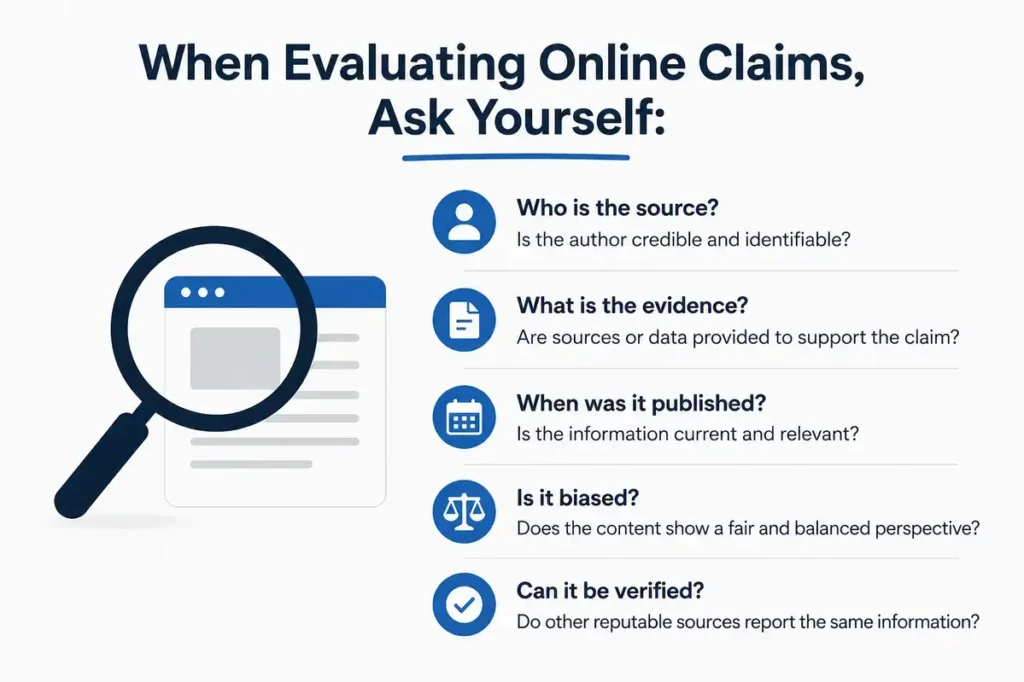
One reason people search for these terms today is the explosion of online content. Social media platforms make it easy for information to spread within minutes. Unfortunately, false information can travel just as quickly. When evaluating online claims, language experts recommend asking:
- Who published the information?
- Is evidence provided?
- Are reputable sources cited?
- Can the claim be verified elsewhere?
- Does the information sound sensational without proof?
These questions help separate these words in a world filled with competing claims.
Fact Or Fiction Expert Language Insight
As an editor, one pattern appears repeatedly. People often assume fact and truth are identical. They also assume fiction means lying. Neither assumption is completely accurate. A fact is something supported by evidence. Truth is a broader concept that may include personal experiences, moral principles, and perspectives.
Likewise, fiction is not deception. Fiction is a creative form of storytelling. Readers understand that novels, short stories, and imaginative narratives are not presented as verified reality.Native English speakers commonly use these words as a challenge. The phrase invites people to investigate, question, and verify information instead of accepting claims at face value.That’s why the expression remains popular in journalism, education, entertainment, and everyday conversation.
Fact Or Fiction FAQs
What Does this term Mean?
It asks if something is true or invented. A fact can be verified through evidence. Fiction comes from imagination and is not intended to be proven as reality.
Is Fact Or Fiction A Grammar Term?
No. it is not a grammar rule. It is a phrase used to distinguish verified information from imaginative or invented content.
Which Is Correct Fact Or Fiction?
Both words are correct. The appropriate choice depends on the context. Facts describe reality. Fiction describes imaginative stories or invented content.
Can Fiction Be Based On Facts?
Yes. Many novels, movies, and stories are inspired by real events. Authors often combine factual details with creative storytelling.
Is Historical Fiction Fact Or Fiction?
Historical fiction is primarily fiction. However, it often incorporates real places, events, and historical figures to create a believable narrative.
Why Do People Use The Phrase Myth or Reality?
People use the phrase when evaluating claims, stories, rumors, myths, media reports, and historical accounts. It encourages critical thinking and verification.
What Is The Opposite Of Fiction?
The most common opposite of fiction is nonfiction. In many contexts, fact also serves as the opposite of myth.
How Can You Tell If Something Is Myth or Reality?
Look for evidence, reliable sources, expert verification, and supporting documentation. If a claim cannot be verified and is presented as imaginative storytelling, it falls into the category of fiction.
Learn the difference in Make Do Or Make Due Which Is Correct 2026.
Fact or fiction Conclusion
It is a simple phrase with an important purpose. It helps people distinguish between verified reality and imaginative storytelling.A fact is supported by evidence and can be checked through reliable sources. Fiction comes from creativity and imagination. Both play valuable roles in communication, education, entertainment, and culture.
The key is understanding the context. If accuracy and proof matter, you’re dealing with facts. If the goal is storytelling and creative expression, you’re dealing with fiction. Whenever you encounter a surprising claim, an incredible story, or a popular rumor, ask the same question skilled editors, researchers, and journalists ask every day. Is it Myth or Reality?