
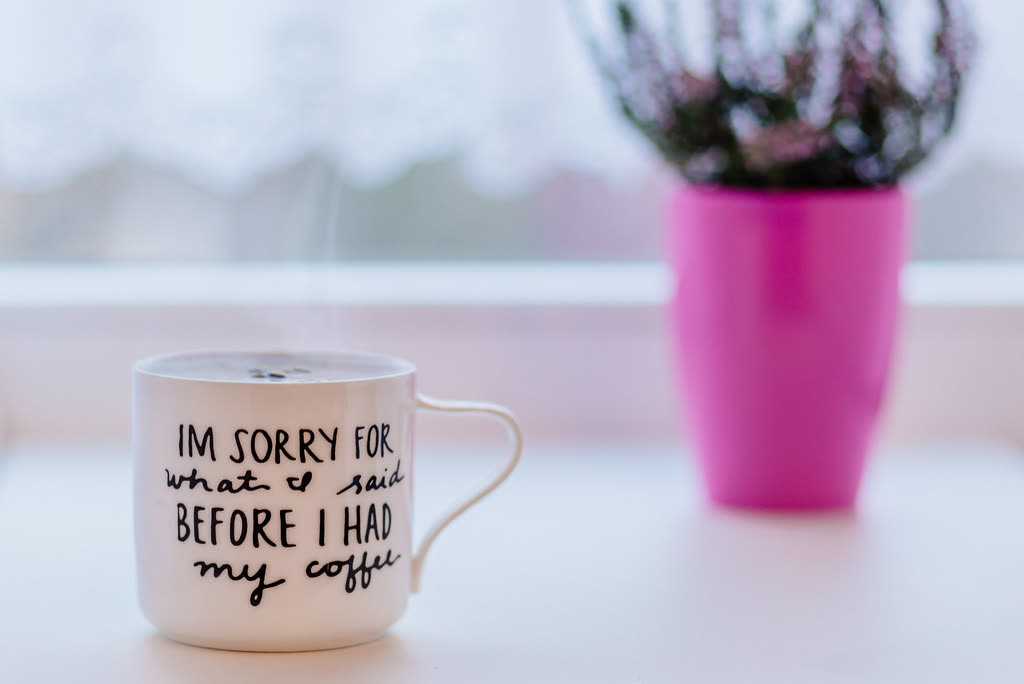
Everyone seems to have an opinion about the perfect morning routine. Cold showers at five, an hour of journaling, a green smoothie and a workout before the sun comes up. It sounds impressive, but for most people a routine like that lasts about a week. The mornings that actually stick tend to be much simpler, built around your real life rather than someone else’s highlight reel.
If you want calmer, more energized mornings, here’s how to build a routine you’ll still be following months from now.
Learn the difference in Cooking for One: How to Eat Well When You Live Alone.
Start the Night Before
A good morning really begins the evening before. If you go to bed late and scroll your phone until midnight, no routine will feel easy at six.
Try to keep a fairly regular bedtime and wake-up time, even at weekends. Your body likes consistency. A short wind-down in the evening, such as dimming lights, putting the phone away and reading a few pages, makes falling asleep easier and getting up less painful.
Prepare a Few Small Things
Lay out your clothes, pack your bag and decide on breakfast before bed. Taking a handful of decisions off your plate in the morning frees up time and mental energy.
Keep It Short at First
The biggest mistake people make is trying to change everything at once. Pick two or three small habits rather than ten. A routine of fifteen to twenty minutes is plenty to start with. You can always add to it later once the basics feel automatic.
Good starter habits include:
- Drinking a glass of water soon after waking
- Opening the curtains or stepping outside for natural light
- A few minutes of stretching or a short walk
- Eating a simple breakfast without rushing
- Looking over your plan for the day
Get Some Daylight Early
Morning light is one of the most underrated parts of a routine. Getting outside, or at least sitting by a bright window, soon after you wake helps signal to your body that the day has started. Many people find it makes them feel more alert in the morning and sleepier at night, which helps the whole cycle.
Even five or ten minutes counts. Drink your coffee on the doorstep, walk to the corner shop or take the dog out a little earlier.
Move Your Body a Little
You don’t need a full workout first thing. Gentle movement is enough to shake off stiffness and wake you up. A few stretches, some simple bodyweight exercises or a brisk walk around the block all work. If you enjoy morning exercise, great. If you don’t, keep it light and save the harder sessions for later in the day.
A related grammar guide is Hydration Myths: How Much Water Do You Really Need?.
Delay the Phone
Reaching for your phone the moment you open your eyes pulls you straight into emails, news and other people’s priorities. Try leaving it alone for the first twenty or thirty minutes. Charging it outside the bedroom and using a basic alarm clock makes this much easier.
Eat Something That Keeps You Going
Breakfast doesn’t need to be elaborate. Something with a bit of protein and fiber, like eggs on wholegrain toast, yogurt with fruit and oats, or a handful of nuts with a banana, tends to keep you full longer than a sugary pastry. If you’re not hungry first thing, that’s fine too. Just have something ready for when you are.
Make It Stick
Habits form through repetition, not willpower. A few tricks help:
- Stack habits. Attach a new habit to an existing one, like stretching while the kettle boils.
- Make it easy. Leave your walking shoes by the door and a glass by the tap.
- Allow imperfect days. If you oversleep, do a two-minute version rather than skipping entirely.
- Notice how you feel. Paying attention to the benefits, like feeling less rushed, keeps you motivated.
Still confused? Compare Strength Training After 40: A Beginner’s Guide to Starting.
Your Routine, Your Rules
The best morning routine is the one that fits your life. A parent with toddlers, a night-shift nurse and a student will all have very different mornings, and that’s how it should be. Start small, stay consistent and adjust as you go. In a few weeks you may find your mornings feel calmer and your days run more smoothly as a result.