
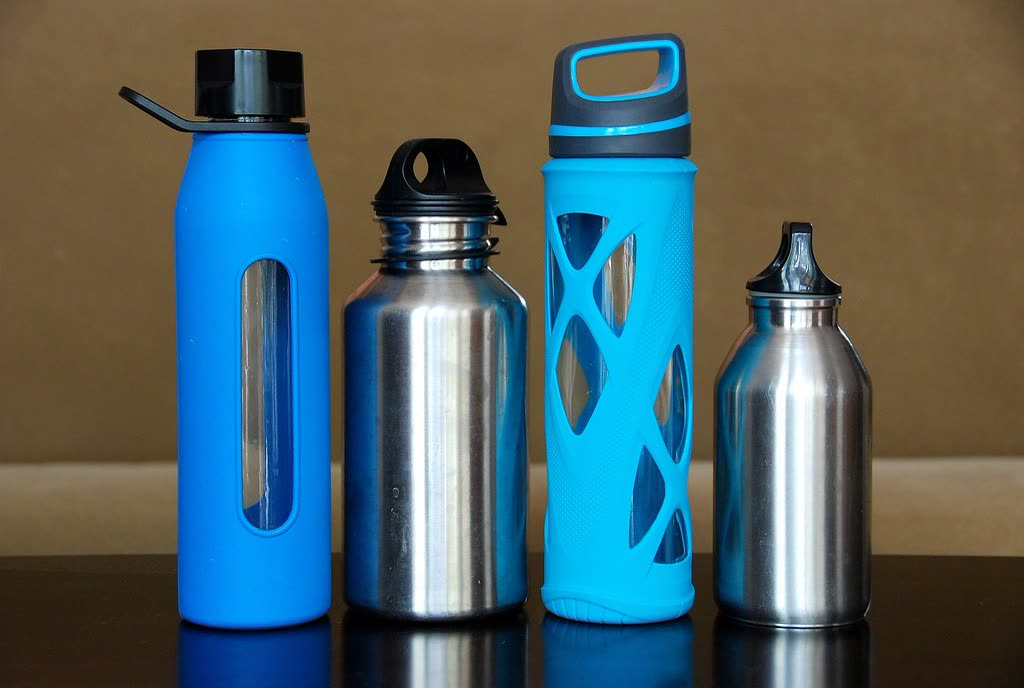
Drink eight glasses of water a day. Most of us heard that rule growing up and some still carry a big water bottle everywhere because of it. But hydration is a little more nuanced than one number that applies to everyone. How much you need depends on your size, your activity, the weather and even what you eat.
Let’s look at some of the most common hydration myths and what’s more useful to know instead.
Still confused? Compare Digital Eye Strain: Practical Ways to Rest Your Eyes.
Myth 1: Everyone Needs Exactly Eight Glasses
The eight-glasses rule is easy to remember, which is probably why it stuck. In reality, fluid needs vary a lot from person to person. A tall, active person working outdoors in summer will need far more than a smaller person sitting in an air-conditioned office.
Health authorities usually give general daily fluid guidelines for adults, and those figures include fluid from all drinks and food, not just plain water. For most healthy people, the simplest approach is to drink regularly through the day and pay attention to your body.
Myth 2: Only Plain Water Counts
Water is a great choice. It has no calories and it’s usually free. But it isn’t the only thing that hydrates you. Milk, herbal teas, diluted juice and even soups all contribute to your fluid intake.
What About Coffee and Tea?
Coffee and tea are often said to dehydrate you. They do have a mild diuretic effect, but for people who drink them regularly, the fluid in the cup more than makes up for it. Your morning coffee counts toward your total. Just keep an eye on how much caffeine you have overall, especially later in the day when it might affect your sleep.
Myth 3: Food Doesn’t Help
A good portion of our daily fluid comes from food. Fruits and vegetables are especially water-rich. Cucumber, watermelon, oranges, strawberries, lettuce and tomatoes are mostly water. If you eat plenty of fresh produce, you’re getting more fluid than you might think.
Myth 4: If You’re Thirsty, You’re Already Dehydrated
You’ll often hear that thirst means it’s too late. For most healthy adults, thirst is actually a pretty reliable signal. Drinking when you’re thirsty and having fluids with meals is enough for everyday life.
There are exceptions. Older adults can have a weaker sense of thirst, and during long, intense exercise or in very hot conditions it’s smart to drink before you feel parched. Young children may also need reminders.
Still confused? Compare How to Build a Morning Routine That Actually Sticks.
Myth 5: Clear Urine Is the Goal
Urine color is a useful rough guide, but you don’t need it to be completely clear. Pale straw or light yellow generally suggests you’re well hydrated. Dark yellow can mean you need to drink more. Completely clear all the time may simply mean you’re drinking more than you need.
Keep in mind that some vitamins, foods and medications can change urine color, so it’s a guide rather than a precise test.
Myth 6: More Water Is Always Better
Drinking huge amounts of water doesn’t flush out toxins or melt away fat. Your kidneys do the filtering, and they work best with steady, sensible intake. In rare cases, drinking extreme amounts in a short time can actually be harmful, because it dilutes the salt levels in your blood. This mostly affects endurance athletes who overdrink without replacing electrolytes, but it’s a reminder that balance matters.
Signs You May Need More Fluids
Watch for these everyday clues:
- Feeling thirsty or having a dry mouth
- Darker urine or going to the toilet less often
- Headaches or feeling tired and sluggish
- Feeling lightheaded when you stand up
If symptoms are severe or don’t improve with drinking, or if you have a medical condition affecting your fluid balance, check in with a doctor.
Simple Ways to Stay Hydrated
- Keep a glass or bottle within reach while you work.
- Drink something with each meal.
- Add slices of lemon, cucumber or mint if plain water bores you.
- Drink more on hot days, when you’re unwell or when you exercise.
- Eat plenty of fruits and vegetables.
Learn the difference in Cooking for One: How to Eat Well When You Live Alone.
Listen to Your Body
Hydration doesn’t have to be complicated or stressful. Forget rigid rules and focus on steady habits. Drink when you’re thirsty, have fluids with meals, eat your fruit and vegetables and adjust for heat and activity. For most people, that’s all it takes to stay well hydrated.