
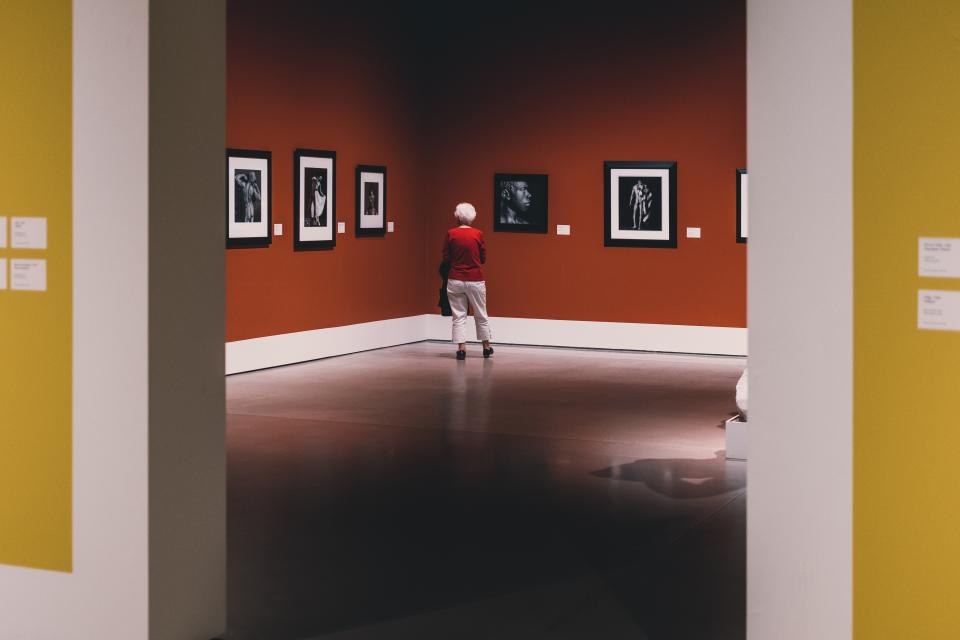
Travelling alone is one of the most rewarding ways to see the world. You set your own schedule, meet people you would never talk to in a group, and learn a lot about yourself along the way. It also means there is nobody else watching your bag, reminding you to drink water or noticing when you look unwell. A few sensible habits let you enjoy all the freedom of solo travel while staying safe and healthy.
Many readers also check Budget Travel Tips: Where Your Money Really Goes.
Prepare Before You Go
A little research goes a long way. Read up on the areas you plan to visit, including which neighbourhoods are best to stay in and any common scams aimed at tourists. Government travel advice pages are a good starting point for safety and health information.
Practical Steps Before Departure
- Share your itinerary and accommodation details with someone at home
- Make digital copies of your passport, insurance and bookings
- Check which vaccinations or health precautions are recommended
- Buy travel insurance that covers medical care and emergencies
- Note local emergency numbers and the location of your embassy
Choose Accommodation Carefully
Where you stay shapes how safe you feel. Look for places with good recent reviews, especially from other solo travellers. A central location close to public transport means shorter journeys after dark. Hostels and small guesthouses are also great for meeting other travellers, which can be reassuring when you are on your own.
When you arrive, take a moment to locate the exits, and keep your room locked even when you are inside. A small doorstop can add extra peace of mind in budget rooms.
Blend In and Stay Aware
Looking confident and knowing where you are going makes you less of a target. Study the route before you leave your accommodation rather than staring at a map on a street corner. Keep expensive jewellery and gadgets out of sight.
Everyday Safety Habits
- Carry only the cash and cards you need for the day
- Keep a backup card hidden separately from your wallet
- Use bags that close securely, and wear them in front in crowds
- Use licensed taxis or official ride-hailing apps, especially at night
- Trust your instincts and leave any situation that feels wrong
Many readers also check Slow Travel: Why Staying Longer in One Place Pays Off.
Stay in Touch
Staying connected is easier than ever. A local SIM card or an eSIM gives you data for maps, translations and messaging at a reasonable price. Arrange regular check-ins with a friend or family member, and consider sharing your live location with them on days when you are hiking or travelling between cities.
Keep a power bank charged. A dead phone in an unfamiliar city can turn a small problem into a stressful one.
Look After Your Health
Being on your own means paying a bit more attention to your body. Long travel days, new food and unusual sleep patterns can all take a toll. Drink plenty of water, especially in hot climates, and check whether tap water is safe to drink.
Pack a small medical kit with plasters, pain relief, rehydration sachets and any prescription medicines in their original packaging. Knowing the nearest pharmacy and clinic gives you confidence that help is close if you need it.
Food and Drink
Trying local food is one of the joys of travel. Busy stalls and restaurants with a quick turnover of customers are usually a safe bet. Be careful with drinks when you are out, never leave them unattended, and know your limits, since you will not have a companion to get you home.
Mind Your Mental Wellbeing
Solo travel has many highs, but loneliness can creep in, especially on long trips. Joining a walking tour, a cooking class or a group day trip is an easy way to meet people. Many hostels run social events, and apps for travellers can connect you with others in the same city.
It is also fine to have quiet days. Rest, read in a park or call someone at home. Taking care of your energy helps you enjoy the rest of the trip.
A related grammar guide is Road Trip Planning Checklist: What to Do Before You Drive.
Enjoy the Independence
Safety on the road is mostly about preparation and awareness, not fear. Most solo travellers find that people are kind and helpful, and that the confidence they gain lasts long after they return. With a few good habits in place, you can relax, explore at your own pace and make the most of every moment of your journey.