
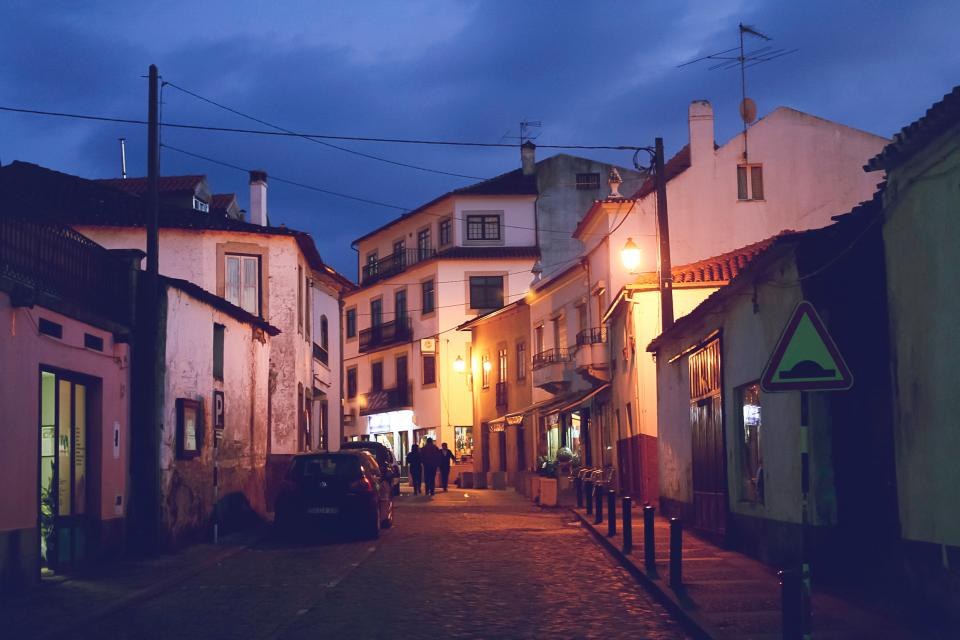
Many trips are built around ticking off as many places as possible: three cities in five days, a different hotel every night and hours spent on trains or in airports. It can be exciting, but it often leaves you exhausted and with only a blurred memory of where you have been. Slow travel takes the opposite approach. You stay longer in fewer places and get to know them properly. For a growing number of travellers, it is a far more satisfying way to see the world.
Many readers also check Road Trip Planning Checklist: What to Do Before You Drive.
What Slow Travel Really Means
Slow travel is less a set of rules than a mindset. It means spending a week or more in one town instead of a single night, choosing depth over breadth and letting the days unfold without a packed schedule. You might rent an apartment, shop at the local market, find a favourite cafe and walk the same streets until they start to feel familiar.
You See More by Moving Less
It sounds backwards, but staying put often means experiencing more. Every move between places eats time: packing, checking out, getting to the station, travelling, finding the new accommodation and settling in. On a fast-paced trip, these transitions can swallow a third of your holiday.
When you stay longer, that time is freed up for exploring. You can visit the main sights on quieter days, wander into neighbourhoods that tourists rarely reach and return to places you loved.
It Is Often Cheaper
Slow travel can be kind to your budget. Many apartments and guesthouses offer weekly or monthly discounts. Transport costs drop when you are not buying a new ticket every day or two. Having a kitchen lets you cook some meals with local ingredients, which saves money and is an experience in itself.
Where the Savings Come From
- Lower nightly rates on longer stays
- Fewer flights, trains and transfers
- Cooking some meals instead of eating out every time
- Time to find the cheaper local spots rather than tourist traps
Deeper Connections With Places and People
When you stay longer, you start to notice the rhythm of daily life. You learn when the bakery has fresh bread, which bar the locals prefer and how the town changes from weekday to weekend. Shopkeepers begin to recognise you, and conversations go beyond the usual tourist questions.
These small connections are often what people remember most. Learning a few phrases of the local language becomes more useful, and you may find yourself invited to events or recommended places that never appear in guidebooks.
Many readers also check How to Beat Jet Lag on Long-Haul Flights.
Better for You and the Places You Visit
Moving less means fewer flights and long journeys, which reduces the environmental impact of a trip. Spending your money in local shops, markets and family-run restaurants over a longer period also supports the community more directly than a quick visit.
It is better for you, too. Slow travel removes much of the stress of constant planning and rushing. You sleep better, eat better and come home feeling rested rather than in need of another holiday.
How to Start Travelling Slowly
You do not need months of free time to try it. Even on a two-week holiday, choosing two bases instead of six makes a big difference.
Simple Ways to Slow Down
- Pick one or two bases and take day trips from there
- Book accommodation with a kitchen and a comfortable living space
- Leave free days in your plan with nothing scheduled
- Use local transport, walk and cycle wherever you can
- Join a class, such as cooking, language or crafts
Choosing the Right Place
Good slow travel destinations tend to have plenty to explore nearby, a pleasant everyday atmosphere and reasonable living costs. Small cities, coastal towns and countryside regions often work beautifully. A town with a weekly market, good walks and a few nearby villages can keep you happily busy for a week or more.
A related grammar guide is Solo Travel Safety Tips: How to Stay Safe and Healthy Alone.
A Different Kind of Memory
Fast trips create a collection of snapshots. Slow trips create stories. Instead of remembering that you saw a famous square, you remember the old man who sold you peaches every morning or the evening you stumbled on a local festival. If you have ever come home from a holiday feeling like you saw everything but experienced nothing, slowing down might be exactly what your next trip needs.