
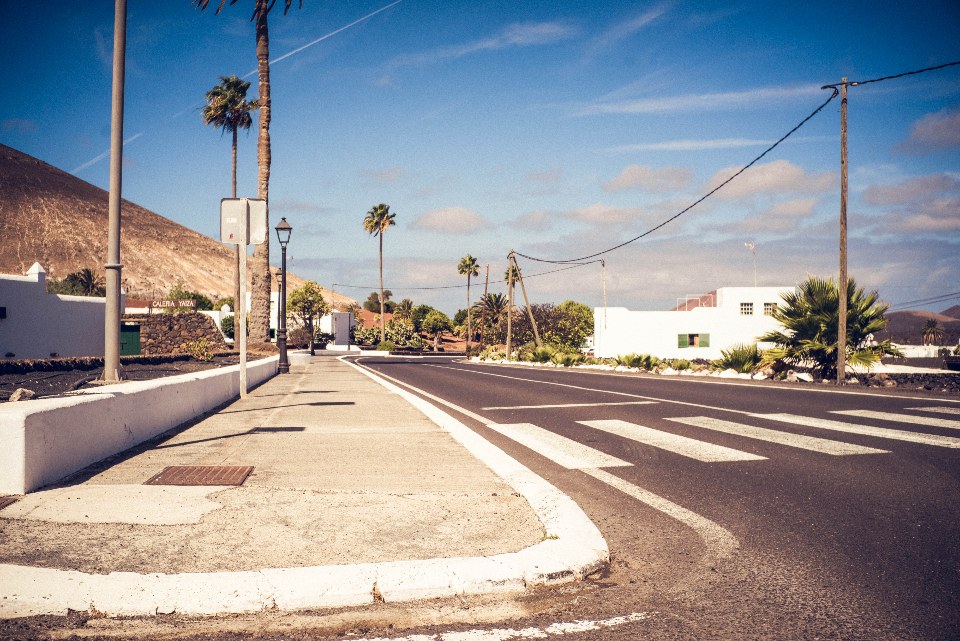
A road trip has a special kind of freedom. You choose the pace, stop wherever something catches your eye and see places that trains and planes skip entirely. That freedom works best with a bit of groundwork, though. A breakdown in a remote spot or a night with nowhere to sleep can sour an otherwise great journey. This practical checklist covers the essentials before you turn the key.
You may also want to read How to Beat Jet Lag on Long-Haul Flights.
Plan the Route, but Leave Room
Start with the big picture: where you are starting, where you want to end up and the places you really want to see along the way. Mapping apps make it easy to estimate driving times, but they assume perfect conditions and no stops. As a rule of thumb, add around a quarter to the estimated time for breaks, traffic and the unexpected.
Try not to schedule every hour. The best road trip moments often come from a sign for a local market, a lake you did not know existed or a recommendation from someone at a petrol station.
Route Planning Tips
- Limit driving to four to six hours a day to keep it enjoyable
- Mark fuel stops in remote areas where stations are far apart
- Download offline maps in case you lose phone signal
- Check for road closures, tolls and seasonal mountain passes
Get the Car Ready
Whether you are using your own car or a rental, a quick check before leaving can prevent most common problems. If it is your car, consider a service a week or two before the trip so any issues can be fixed in time.
Vehicle Checklist
- Tyre pressure and tread, including the spare
- Oil, coolant and windscreen washer fluid levels
- Lights, indicators and brake lights
- Wiper blades and air conditioning
- Breakdown cover details and the insurance documents
With a rental car, walk around it before driving away and photograph any scratches or dents. Check where the spare tyre and jack are kept, and make sure you know what kind of fuel it takes.
Pack for the Car, Not Just the Destination
Road trip packing is a little different from packing for a flight. You have more space, but it is easy to fill the boot with things you never use. Keep the items you need during the drive within easy reach.
Useful Things to Keep in the Car
- A basic first aid kit and any personal medication
- Phone chargers and a car adapter or power bank
- Water and non-perishable snacks
- A torch, a warm layer and a blanket
- Reflective warning triangle and high-visibility vest, which are required in some countries
- Rubbish bags and wet wipes
You may also want to read Solo Travel Safety Tips: How to Stay Safe and Healthy Alone.
Sort Out Where You Will Sleep
Some people love the spontaneity of finding a place each evening, and in quieter seasons that can work well. In peak season or in popular areas, though, rooms fill up quickly. A middle path is to book the first and last nights, plus any stops in busy spots, and keep the rest flexible.
If you plan to camp, check the rules in advance. Wild camping is welcome in some regions and illegal in others, and many campsites need booking in summer.
Budget for the Real Costs
Fuel is the obvious expense, but it is not the only one. Tolls, parking, ferry crossings and city congestion charges can add up. Fuel prices also vary between regions and are usually higher at motorway service stations, so filling up in towns can save money.
Stay Safe and Alert
Driver fatigue is one of the biggest risks on a long trip. Take a break at least every two hours, even if you feel fine. If more than one person can drive, share the load. Avoid starting long stretches late at night, when tiredness hits hardest.
If you are driving abroad, read up on local road rules before you go. Speed limits, priority rules and required equipment differ from country to country, and you may need an international driving permit.
Many readers also check Budget Travel Tips: Where Your Money Really Goes.
Make the Journey Part of the Fun
A good road trip is about the travelling as much as the destination. Build a playlist or download some podcasts and audiobooks. Pack a small picnic for scenic stops. Keep a note of the places you love along the way.
With the route sketched out, the car checked and the essentials packed, you can relax and enjoy the open road. The preparation takes an evening or two, and it frees you to focus on what road trips do best: surprising you around the next bend.