
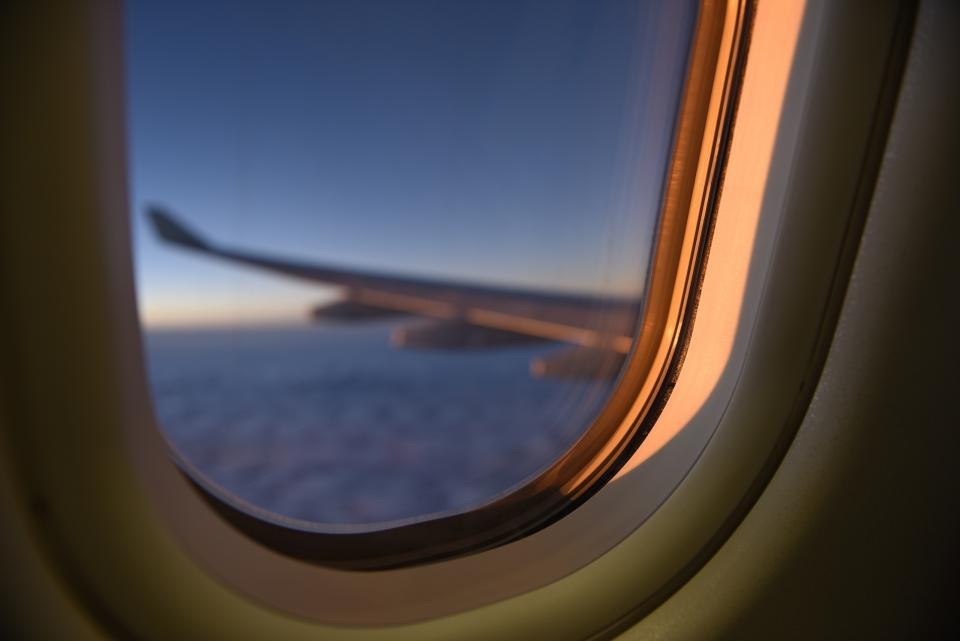
Crossing several time zones can turn the first days of a trip into a blur. You wake at 3 a.m. wide awake, then struggle to keep your eyes open at dinner. Jet lag happens because your body clock is still running on home time, and it takes a while to catch up. You cannot avoid it completely on a long flight, but you can shorten it a great deal with a little planning.
Learn the difference in Budget Travel Tips: Where Your Money Really Goes.
Why Jet Lag Happens
Your body runs on an internal rhythm of roughly 24 hours. It controls when you feel sleepy, when you get hungry and even your body temperature. Daylight is the main signal that keeps this clock in step with the outside world. When you fly across time zones, the sun rises and sets at times your body does not expect, and the clock needs several days to reset.
As a rough guide, people adjust by about one time zone per day. Flying east is usually harder than flying west, because it is easier to stay up late than to fall asleep early.
Start Adjusting Before You Leave
A few days before departure, begin shifting your schedule towards your destination. If you are heading east, go to bed and wake up an hour earlier each day. If you are heading west, shift later instead. Even a partial shift means fewer hours to catch up on arrival.
Helpful Steps in the Days Before
- Get plenty of sleep so you do not start the trip already tired
- Move meal times slightly towards the new time zone
- Avoid packing until the last night, which often leads to a sleepless rush
- Book flights that arrive in the late afternoon or evening when possible
Make the Flight Work for You
As soon as you board, set your watch and phone to the destination time. Then try to behave as if you are already there. If it is night at your destination, try to sleep. If it is daytime there, stay awake, watch a film or read.
An eye mask, earplugs or noise-cancelling headphones and a neck pillow make sleeping on a plane far easier. Drink plenty of water, because cabin air is very dry and dehydration makes fatigue worse. Go easy on alcohol and caffeine, which both disrupt sleep even if they seem to help at first.
Use Daylight on Arrival
Light is the strongest tool you have. Getting outside in natural daylight helps your body clock shift faster than anything else.
Timing Your Light
- After flying east, seek morning light and avoid bright light late in the evening
- After flying west, get outside in the afternoon and early evening
- Even on a cloudy day, outdoor light is far stronger than indoor lighting
A walk around your new neighbourhood is ideal. You get light, gentle exercise and a first look at the place you have travelled to see.
Need another quick comparison? Read Solo Travel Safety Tips: How to Stay Safe and Healthy Alone.
Resist the Long Nap
Arriving exhausted at midday makes the hotel bed very tempting. A long sleep in the afternoon, though, often leaves you awake all night and drags out the adjustment. If you really need to rest, keep it to a short nap of 20 to 30 minutes, set an alarm, and get up as soon as it rings.
Try to stay up until at least 9 or 10 p.m. local time on the first night. You will probably sleep deeply, and the following day will feel much easier.
Eat on Local Time
Meal times also help set your internal clock. Eat breakfast, lunch and dinner at normal local hours, even if you do not feel hungry. Light meals are easier on your stomach during the first day or two. Some travellers find that a protein-rich breakfast helps them feel alert in the morning.
A Word on Melatonin
Melatonin is a hormone your body makes in the evening to signal that it is time to sleep. Some people take it in small doses at bedtime in the new time zone to help adjust. It is available over the counter in some countries but needs a prescription in others, so check local rules and speak to a doctor or pharmacist before using it.
Need another quick comparison? Read Slow Travel: Why Staying Longer in One Place Pays Off.
Be Kind to Yourself
Even with the best plan, the first day or two may feel a little foggy. Keep your schedule light at the start of the trip, avoid important meetings straight after landing if you can, and allow time to settle in. With daylight, sensible sleep and local meal times on your side, most people feel like themselves again within a few days.