
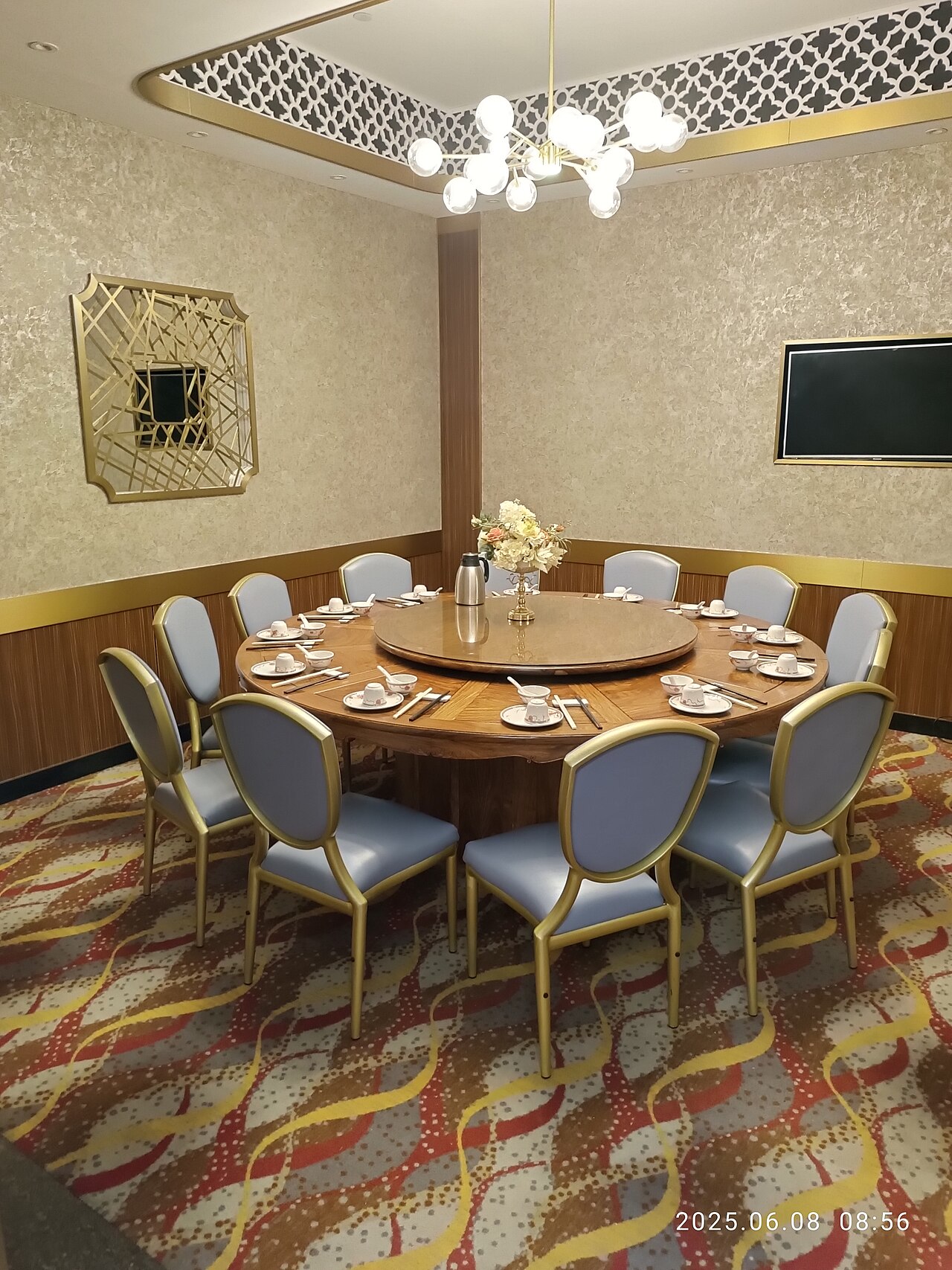
Spellcheck doesn’t always save you. Type “dinning” into a message and most apps won’t flag it, because it’s a real word, just not the one you meant. That’s exactly why so many people stop and wonder about dinning or dining before they hit send on a menu, a flyer, or a restaurant review.
The short answer is simple. “Dining” is the word you want almost every time. “Dinning” is a rare, old-fashioned word that has nothing to do with eating.
For another common grammar confusion, see Sapphire or Saphire Which Spelling Is Correct 2026.
What “dining” means
Dining is the act of eating a meal, usually one that feels a bit more formal or planned than grabbing a snack. It comes from the verb “dine,” which traces back to Old French. You dine at a restaurant, you dine with friends, and you sit at a dining table. The noun and adjective forms all keep that single “n”: dining room, dining hall, fine dining, outdoor dining.
The spelling follows a basic English pattern. When a verb ends in a silent “e,” you drop the “e” and add “-ing.” Dine becomes dining, just like hope becomes hoping and make becomes making. The vowel before the single consonant stays long, so you hear “DY-ning,” not “DIN-ning.”
What “dinning” actually is
“Dinning” does exist. It comes from the verb “din,” which means to make a loud, continuous noise, or to repeat something over and over until it sticks. If a teacher keeps dinning the same rule into a class, or if traffic is dinning in your ears, the word is correct. You’ll mostly see it in older books and a few dialects, and almost never in everyday writing.
Notice the doubled “n.” That’s the other English pattern at work. A short-vowel verb like din doubles its final consonant before “-ing,” the same way run becomes running and sit becomes sitting. The doubled letter tells you to pronounce the vowel short, as in “dinner,” which is a handy clue.
A quick memory trick
Think about the word “dinner.” It has two n’s and a short “i,” and it’s a meal. That feels like it should make “dinning” the meal word, but the verb behind dinner is “dine,” not “din.” Here’s a cleaner trick: dining has one “n” because it has one “e” hiding at the end of “dine.” If you picture the missing “e,” you’ll remember to keep the single “n.”
Another way to remember it is to link “din” with noise. A din is a racket. Nobody wants a racket at a nice meal, so the noisy word gets the doubled letter and the pleasant one stays clean and simple.
A related grammar guide is Definately or Definitely Which Spelling Is Correct (2026).
Common mistakes you’ll see
The typo shows up in a few predictable places. Signs reading “Outdoor Dinning” are everywhere, and so are job ads for “dinning room staff.” Real estate listings sometimes advertise a “formal dinning area.” None of these are tragic, but they can make a business look careless, especially when the sign is printed on vinyl and hung for a year.
If you write for a living, or you just handle your own small business pages, it’s worth running a quick search for the wrong spelling before you publish. Look at menus, social captions, and email signatures too. Those are the spots where typos hide longest.
Where to double-check spellings
When two options look similar, a quick reference check beats guessing. Sites such as compairro.com put side-by-side comparisons of confusing word pairs in one place, which is handy when you’re editing in a hurry. A good dictionary does the same job, and it only takes a few seconds.
Still confused? Compare Afterward or Afterwards Correct Usage Guide.
The takeaway
Use “dining” for anything related to eating. Save “dinning” for the rare moment you need to describe repeated, noisy hammering of an idea. If you’re ever unsure, say the word out loud, think of the silent “e” in “dine,” and keep that single “n.” It’s a small fix, but it keeps your writing looking sharp, whether it’s a wedding menu, a hotel brochure, or a simple note on the fridge about Sunday supper.